
Call PestGuardians in New Hampshire to discuss squirrel removal, tied to some of the highest forest cover of any state, across all 50 cities we cover statewide.
Call (844) 924-1337A gap around a roof vent, a fascia board, or a utility penetration doesn't stay small once a squirrel decides it's a way into an attic. They're strong enough chewers to widen it into a real entry point, and once inside they can do genuine damage to insulation and wiring while raising a litter through the winter.
New Hampshire's forest cover, among the highest percentage tree canopy of any state, is what puts so many gray and red squirrels within reach of a house in the first place, and every fall, as temperatures drop, some share of that population trades a tree cavity for something warmer and drier, an attic, soffit, or eaves being the obvious substitute. The pattern is distinctly seasonal, concentrated in the fall denning season and tied directly to the state's cold climate and heavy tree cover, and it shows up fairly evenly across wooded and suburban properties statewide rather than clustering in any one region. Call (844) 924-1337 for squirrel removal questions and availability in your part of New Hampshire.
We haven't yet built individual city pages pairing Squirrel Removal with a specific New Hampshire city, the way we have for a few other states, so there's no per-city detail to report honestly in this section right now. What you read above is real, New Hampshire-specific research, drawn from the actual conditions that drive demand statewide, not a generic description recycled from another state's page, but it isn't broken down city by city yet.
Call with your city to discuss the pest concern and check local service availability.
As city-level Squirrel Removal pages go live for New Hampshire, this section will update to reflect genuine local details the same way it already does for some other states. We'd rather tell you that plainly than invent a city-by-city breakdown that doesn't exist yet.
Call to discuss squirrel removal and check service availability in your part of New Hampshire.
Call (844) 924-1337Squirrel Removal isn't covered by the Division of Pesticide Control's Commercial Applicator categories at all. New Hampshire routes trapping and removal of raccoons, squirrels, and bats through a completely different state agency instead, Fish and Game's Wildlife Control Operator program, where the license tier, Level I or Level II, depends on how much commercial trapping the work actually involves. A pest control company handling both termite treatment and this kind of animal removal answers to two separate state agencies for the two halves of its business, not a single combined credential. For the full explanation of how New Hampshire's licensing works, see our New Hampshire coverage page.
Call anyway; we maintain coverage that is not always reflected yet in every city page.
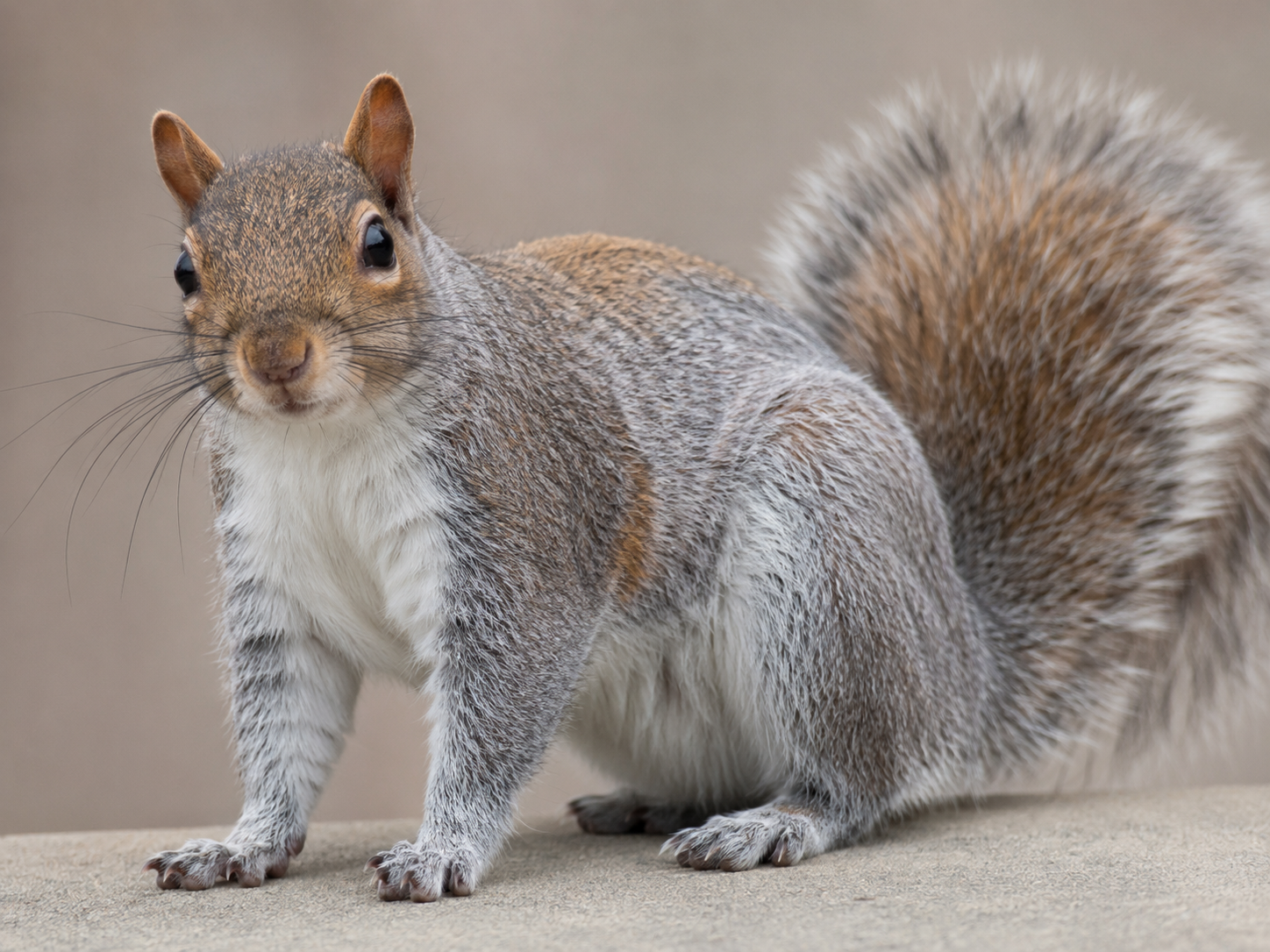
The state has among the highest percentage tree canopy of any state, supporting large gray and red squirrel populations, and every fall some of them look for a warmer, drier place to spend the winter than a tree cavity, often a homeowner's attic, soffit, or eaves.
Yes, this is worth confirming directly. Raccoons, squirrels, and bats fall under the New Hampshire Fish and Game Department's Wildlife Control Operator program, Level I or Level II depending on scope, a credential entirely separate from pesticide licensing. Before booking, ask which credentials apply to the work and how they can be confirmed.
No. Pricing varies by city, the specifics of the job, and whether you need a one-time visit or an ongoing plan. Ask about the proposed scope and costs before deciding to book. Call to discuss the work needed and request a quote for your property.
Use the city grid below to view your city's own Squirrel Removal page as it becomes available, or call (844) 924-1337 with your city to discuss the problem and check service availability.
Call to check service availability in your area. Free to call, with no obligation to book.