
Call PestGuardians in Texas to discuss squirrel removal, tracking decades of tree canopy growth, not new construction, across all 50 cities we cover statewide.
Call (844) 924-1337It takes decades for tree limbs to grow thick and close enough to a roofline for squirrels to use as a bridge, and that single fact explains most of the geography behind removal calls in Texas. Fox squirrels and eastern gray squirrels both need that kind of mature canopy, a condition met by older, established parts of Dallas, San Antonio, Austin, and Houston long before it exists in a subdivision built five years ago on cleared land.
Once a live oak or pecan limb overhangs a roofline, squirrels use it as a direct route in, gnawing entry points into soffits and attics to build their nests. So it's a city's oldest, most tree covered neighborhoods generating most of the removal calls, not necessarily its fastest growing or most populous ones, which sets squirrel demand apart from most other home service categories that simply track population growth. Call (844) 924-1337 for squirrel removal questions and availability in your part of Texas.
We haven't yet built individual city pages pairing Squirrel Removal with a specific Texas city, the way we have for a few other states, so there's no per-city detail to report honestly in this section right now. What you read above is real, Texas-specific research, drawn from the actual conditions that drive demand statewide, not a generic description recycled from another state's page, but it isn't broken down city by city yet.
Call with your city to discuss the pest concern and check local service availability.
As city-level Squirrel Removal pages go live for Texas, this section will update to reflect genuine local details the same way it already does for some other states. We'd rather tell you that plainly than invent a city-by-city breakdown that doesn't exist yet.
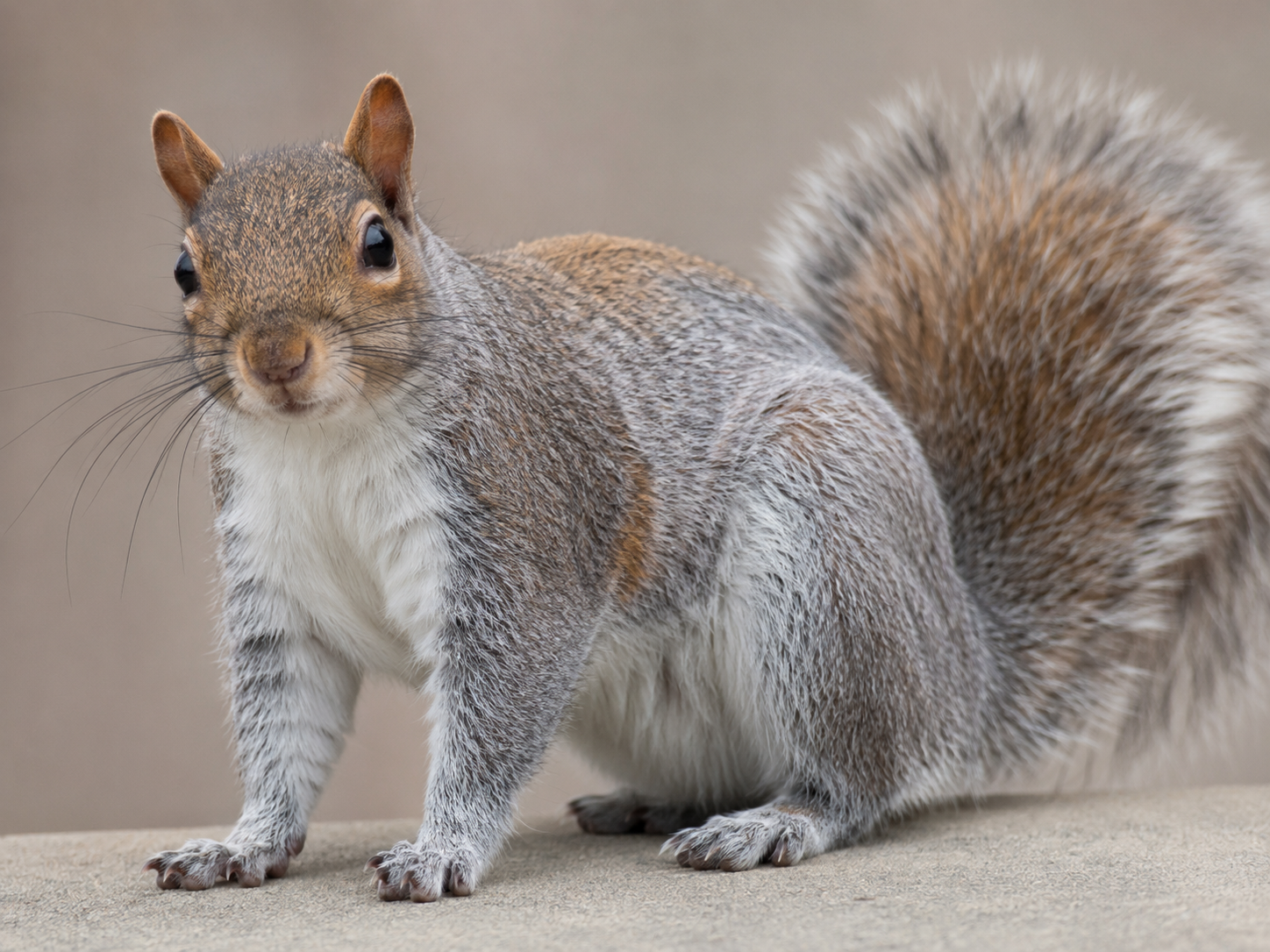
Call to discuss squirrel removal and check service availability in your part of Texas.
Call (844) 924-1337Squirrel Removal in Texas requires working through one of three individual license tiers, Apprentice, Technician, or Certified Applicator, either commercial or noncommercial, all issued by the Texas Department of Agriculture's Structural Pest Control Service for anyone applying pesticides in or around structures. The business itself needs its own separate credential too, a Structural Pest Control Business License that costs $300 and has to be renewed every year. This isn't a rubber stamp registration, Texas actively enforces the requirement as a genuine licensing system. For the full explanation of how Texas's licensing works, see our Texas coverage page.
Call anyway; we maintain coverage that is not always reflected yet in every city page.
No. Fox squirrels and eastern gray squirrels need mature trees with branches close enough to a roofline to use as a bridge, and that canopy takes decades to grow, so demand concentrates in older sections of cities like Houston and Austin rather than new construction.
It's worth asking. Texas requires individual licensing through the Department of Agriculture's Structural Pest Control Service, progressing through Apprentice, Technician, and Certified Applicator tiers, plus a separate $300 Structural Pest Control Business License for the company, renewed annually. Before booking, ask which credentials apply to the proposed work and how to confirm them with the issuing authority.
No. Pricing varies by city, the specifics of the job, and whether you need a one-time visit or an ongoing plan. Ask about the proposed scope and costs before deciding to book. Call to discuss the work needed and request a quote for your property.
Use the city grid below to view your city's own Squirrel Removal page as it becomes available, or call (844) 924-1337 with your city to discuss the problem and check service availability.
Call to check service availability in your area. Free to call, with no obligation to book.