
Call PestGuardians in Nebraska to discuss squirrel removal, where fox squirrels dominate rural areas and gray squirrels stick to the two largest cities, across all 50 cities we cover statewide.
Call (844) 924-1337Most states dealing with squirrel removal are really dealing with the eastern gray squirrel, but Nebraska splits the picture in two. Fox squirrels, a noticeably larger animal, are the species most homeowners across the state's tree lined small towns and farmstead windbreaks actually encounter, at home moving between grain country's open ground and planted shelterbelts that give them cover along the way.
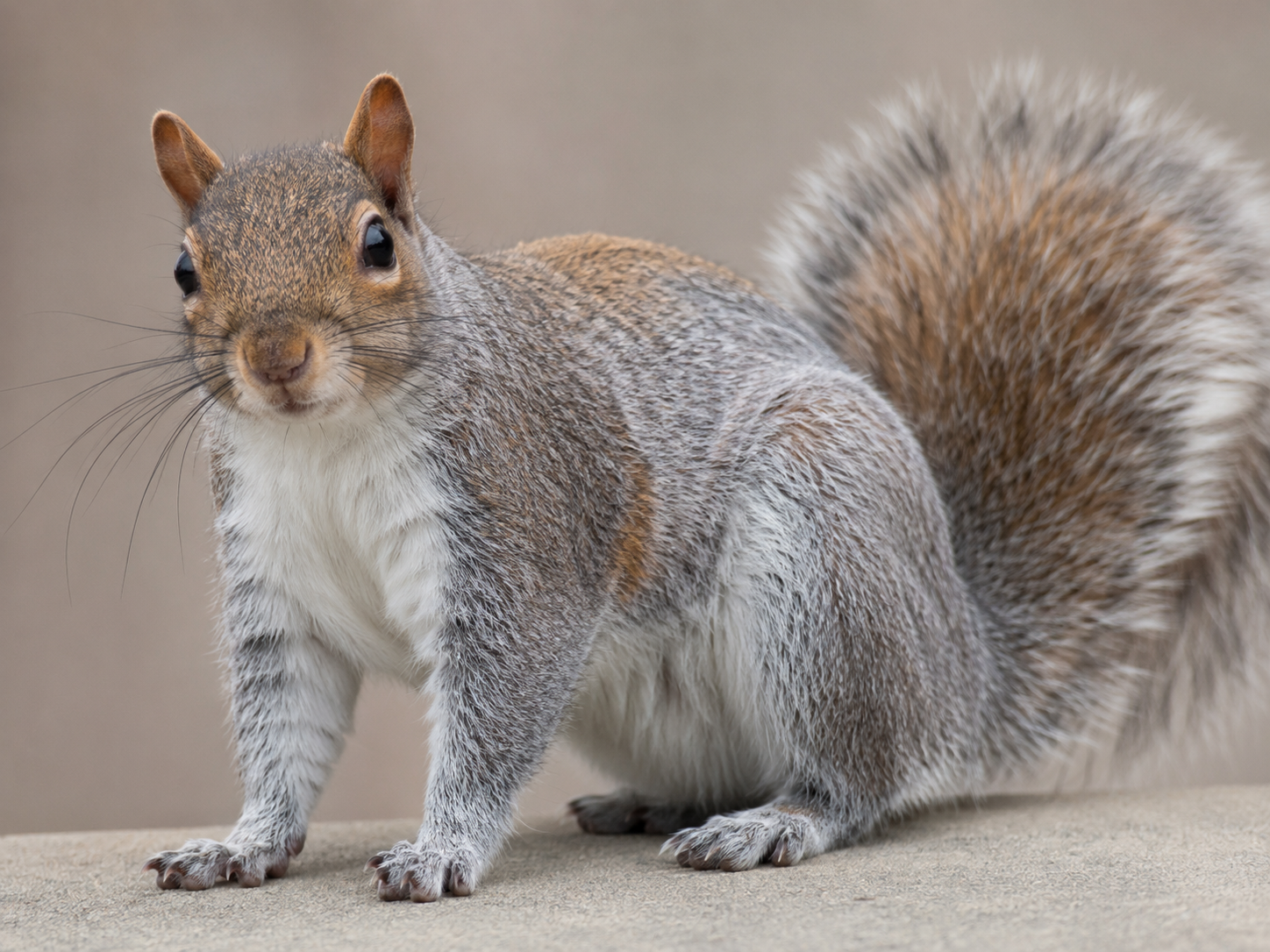
Omaha and Lincoln look more like the rest of the country: eastern gray squirrels still hold the densely wooded urban parks and older neighborhoods there, matching the pattern found in most other states. Step outside those two cities, though, and fox squirrels take over. Once fall temperatures drop, both species chew through roof vents and fascia gaps to den in attics and chimneys for the winter, and because fox squirrels are the bigger animal, they tend to leave more insulation and wiring damage behind once they're in. That urban gray, rural fox split means squirrel removal in Nebraska works differently depending on which side of that line a property falls on. Call (844) 924-1337 for squirrel removal questions and availability in your part of Nebraska.
We haven't yet built individual city pages pairing Squirrel Removal with a specific Nebraska city, the way we have for a few other states, so there's no per-city detail to report honestly in this section right now. What you read above is real, Nebraska-specific research, drawn from the actual conditions that drive demand statewide, not a generic description recycled from another state's page, but it isn't broken down city by city yet.
Call with your city to discuss the pest concern and check local service availability.
As city-level Squirrel Removal pages go live for Nebraska, this section will update to reflect genuine local details the same way it already does for some other states. We'd rather tell you that plainly than invent a city-by-city breakdown that doesn't exist yet.
Call to discuss squirrel removal and check service availability in your part of Nebraska.
Call (844) 924-1337Squirrel Removal falls under Nebraska's pesticide licensing system, run through the Department of Agriculture. An individual license takes two exams, first the general standards test everyone sits for, then whatever category exam actually matches the work, and comes with a $90 fee once both are passed. Structural pest control sits under Category 08, Structural and Health Related Pest Control, a single category built around keeping insects and vertebrate pests like rats and mice out of the kinds of buildings people occupy, homes, restaurants, schools, warehouses, and anything similar. Wildlife trapping for larger animals like raccoons runs through a completely different state system. For the full explanation of how Nebraska's licensing works, see our Nebraska coverage page.
Call anyway; we maintain coverage that is not always reflected yet in every city page.
Yes, proportionally. Fox squirrels are notably larger than the eastern gray squirrels common in most other states, and being bigger animals, they tend to cause proportionally more damage to insulation and wiring once they've established themselves in an attic or chimney than a gray squirrel typically would.
It's worth asking. Nebraska requires a general standards exam plus the Category 08 structural exam through the Department of Agriculture, and the individual license carries a $90 fee. Before booking, ask which credentials apply to the proposed work and how to confirm them with the issuing authority.
No. Pricing varies by city, the specifics of the job, and whether you need a one-time visit or an ongoing plan. Ask about the proposed scope and costs before deciding to book. Call to discuss the work needed and request a quote for your property.
Use the city grid below to view your city's own Squirrel Removal page as it becomes available, or call (844) 924-1337 with your city to discuss the problem and check service availability.
Call to check service availability in your area. Free to call, with no obligation to book.