
Call PestGuardians in West Virginia to discuss silverfish control, threatening papers stored in hillside-built basements, across all 50 cities we cover statewide.
Call (844) 924-1337Why do so many West Virginia basements stay damp long after the rest of the house has dried out? Much of the state's older housing sits on stone or block foundations built straight into a hillside, put up before builders had access to today's moisture barriers, and that kind of construction simply can't shed basement humidity the way a modern home with better drainage and a proper vapor seal does. Add a slope where groundwater keeps drifting toward the foundation instead of away from it, and you get the kind of steady dampness silverfish need to take hold, especially in basements left unfinished and used mainly for storage.
That's more than a nuisance issue in a state full of small historical societies and family homes where boxes of old papers, photographs, and books have sat in those same damp lower levels for generations. Silverfish thriving there put real, irreplaceable material at risk, not just drywall or stored linens. And because building into a hillside is standard practice across West Virginia's mountainous terrain, this isn't limited to a handful of neglected old houses, it shows up in a much broader slice of homes than you'd find in a flatter, better drained state. Call (844) 924-1337 for silverfish control questions and availability in your part of West Virginia.
We haven't yet built individual city pages pairing Silverfish Control with a specific West Virginia city, the way we have for a few other states, so there's no per-city detail to report honestly in this section right now. What you read above is real, West Virginia-specific research, drawn from the actual conditions that drive demand statewide, not a generic description recycled from another state's page, but it isn't broken down city by city yet.
Call with your city to discuss the pest concern and check local service availability.
As city-level Silverfish Control pages go live for West Virginia, this section will update to reflect genuine local details the same way it already does for some other states. We'd rather tell you that plainly than invent a city-by-city breakdown that doesn't exist yet.
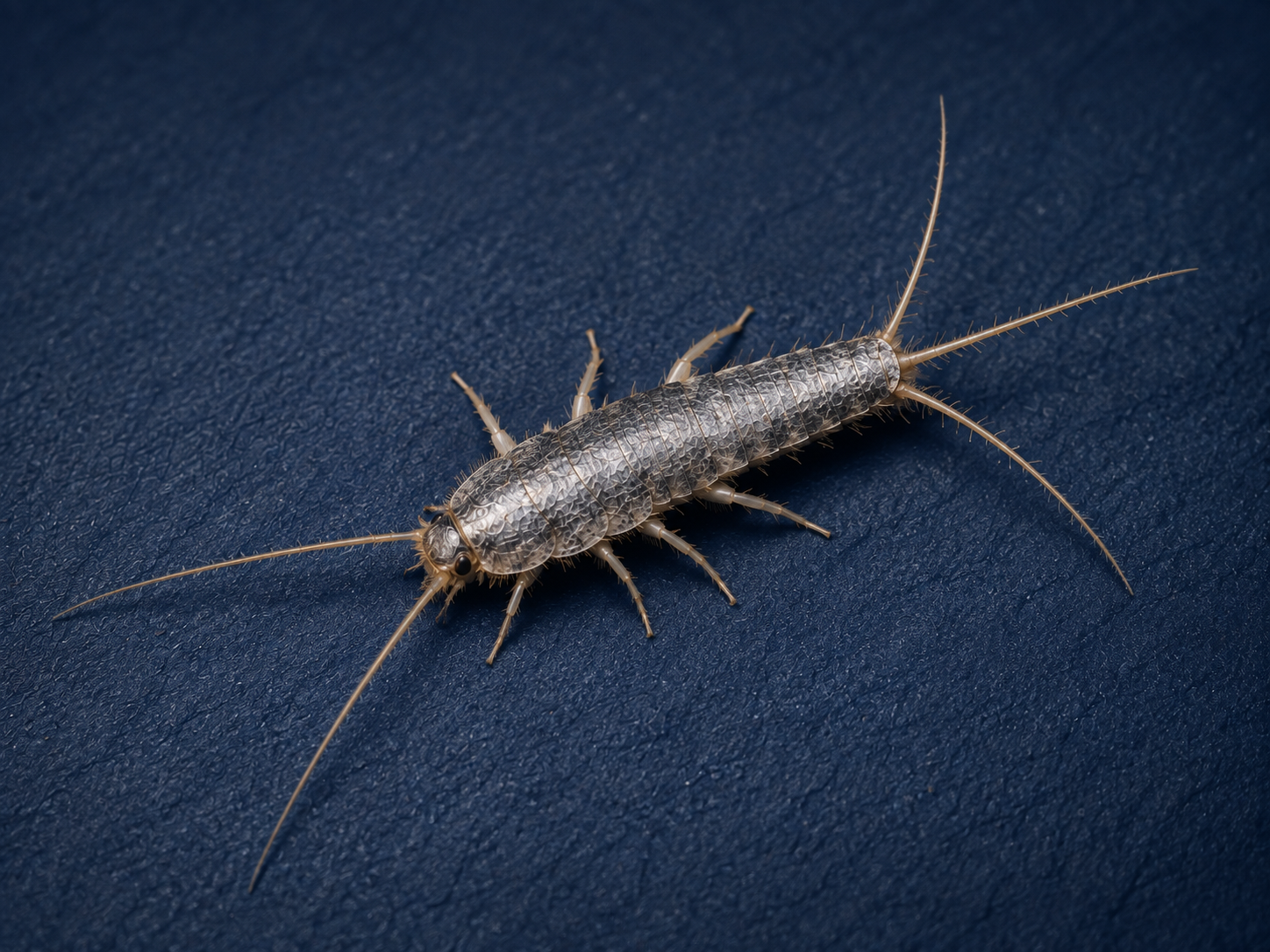
Call to discuss silverfish control and check service availability in your part of West Virginia.
Call (844) 924-1337Silverfish Control in West Virginia falls under the Pesticide Control Act of 1990, administered through the Department of Agriculture's Pesticide Regulatory Program. Commercial applicators certify in Category 8A for this kind of general structural work, distinct from Category 8B's wood destroying pest certification, and the business itself needs a Licensed Pesticide Application Business credential carrying at least $300,000 in bodily injury coverage, $100,000 for property damage, and workers' compensation insurance. Recertification comes due every three years. For the full explanation of how West Virginia's licensing works, see our West Virginia coverage page.
Call anyway; we maintain coverage that is not always reflected yet in every city page.
Yes. Homes built directly into a slope, with groundwater naturally moving toward the foundation, hold onto basement humidity far longer than newer construction with proper drainage, giving silverfish exactly the consistently humid environment they need, especially in older, unfinished basements.
It's worth asking. West Virginia requires commercial applicators to certify in Category 8A through the Department of Agriculture's Pesticide Regulatory Program for this kind of work. Before booking, ask which credentials apply to the proposed work and how to confirm them with the issuing authority.
No. Pricing varies by city, the specifics of the job, and whether you need a one-time visit or an ongoing plan. Ask about the proposed scope and costs before deciding to book. Call to discuss the work needed and request a quote for your property.
Use the city grid below to view your city's own Silverfish Control page as it becomes available, or call (844) 924-1337 with your city to discuss the problem and check service availability.
Call to check service availability in your area. Free to call, with no obligation to book.