
Wasp and hornet removal for Brighton, where a short Front Range growing season can push late season colonies into sharper, more defensive behavior.
Call (844) 924-1337Brighton grew up surrounded by farmland, orchards, and open irrigated fields dating back to the 1881 townsite, and that agricultural backdrop has made wasps and hornets a routine seasonal presence in the area for far longer than most of its residential streets have existed, since open crop ground and fruit trees have always given foraging colonies plenty to work with each summer. Colorado's relatively short growing season adds its own pressure on top of that long history, squeezing a colony's entire life cycle into fewer warm weeks than colonies get in milder states and pushing late season nests toward noticeably more aggressive foraging as workers rush to build up reserves before the first hard frost.
Nests discovered near Brighton's older orchard rows and field edges in September tend to be the most defensive of the year, reacting fast once disturbed, and yellowjackets and bald faced hornets remain the two species most likely to turn up around the city's homes and outbuildings. Call (844) 924-1337 to discuss pest control help in Brighton and check service availability.
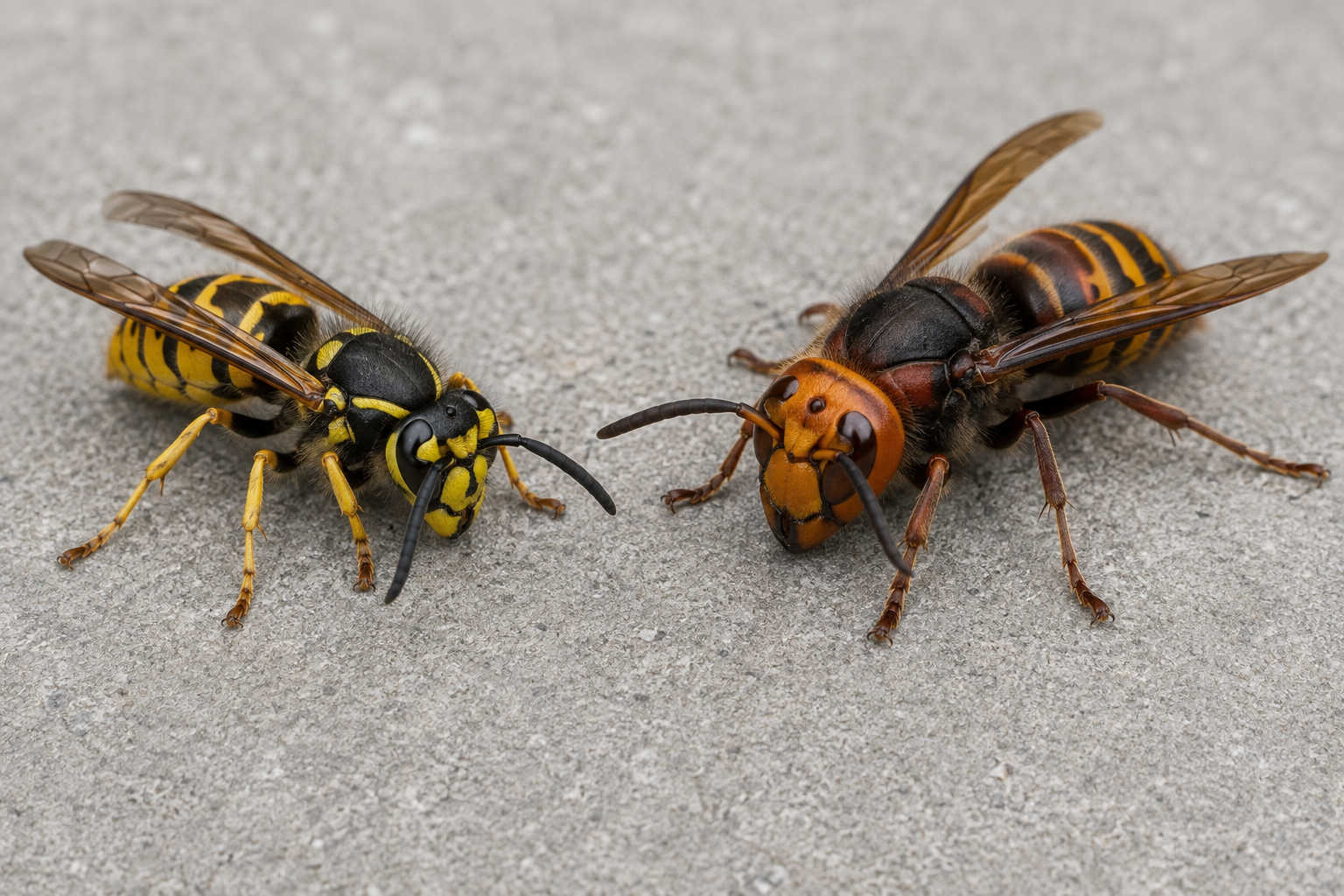
Call PestGuardians to discuss your pest concern and check local service availability.
See all services available in Brighton · See Wasp & Hornet Removal details
It depends on the species and where the nest is located, but generally involves treating the nest directly with the right product and protective equipment, then removing it once activity has stopped. Because stinging insects can react defensively, this is usually safer left to a professional, especially for larger or hard-to-reach nests.
Most wasp colonies die off over winter, and an old nest is typically abandoned by the workers that built it. An empty-looking nest may still require assessment; if activity is uncertain, keep your distance and ask about inspection before disturbing it.
Paper wasp nests are often smaller and more exposed, commonly found under eaves or overhangs, but they can still sting if disturbed. Treating the nest directly and removing it once activity stops is the general approach, ideally handled by someone with proper protective equipment.
Locating the nest is the first step, since treating individual wasps without addressing the nest usually just means more show up. Species identification and nest location help determine the appropriate removal approach; avoid disturbing an active nest.
Call to check service availability in your area. Free to call, with no obligation to book.