
Wildlife removal for Prescott Valley, where open range bordering the Fain Ranch and other working land puts homes closer to grassland wildlife than a typical subdivision.
Call (844) 924-1337Prescott Valley grew up on what was once called Lonesome Valley, and the Fain family has run cattle on land here since 1874, open range that today borders several of the town's newer subdivisions with very little in between. That closeness means rodents, snakes, and larger animals native to the grassland have a shorter trip to make into a backyard than in most other parts of the state.
Century old structures tied to that ranching history, including the Barlow-Massicks Castle built in 1890, sit right alongside recent construction, and older wood frame buildings can face different entry points than a newer home. At roughly 5,000 feet, Prescott Valley's elevation moderates some wildlife pressure without eliminating it, so the species involved still needs to be identified before deciding on a plan. Call (844) 924-1337 to discuss pest control help in Prescott Valley and check service availability.
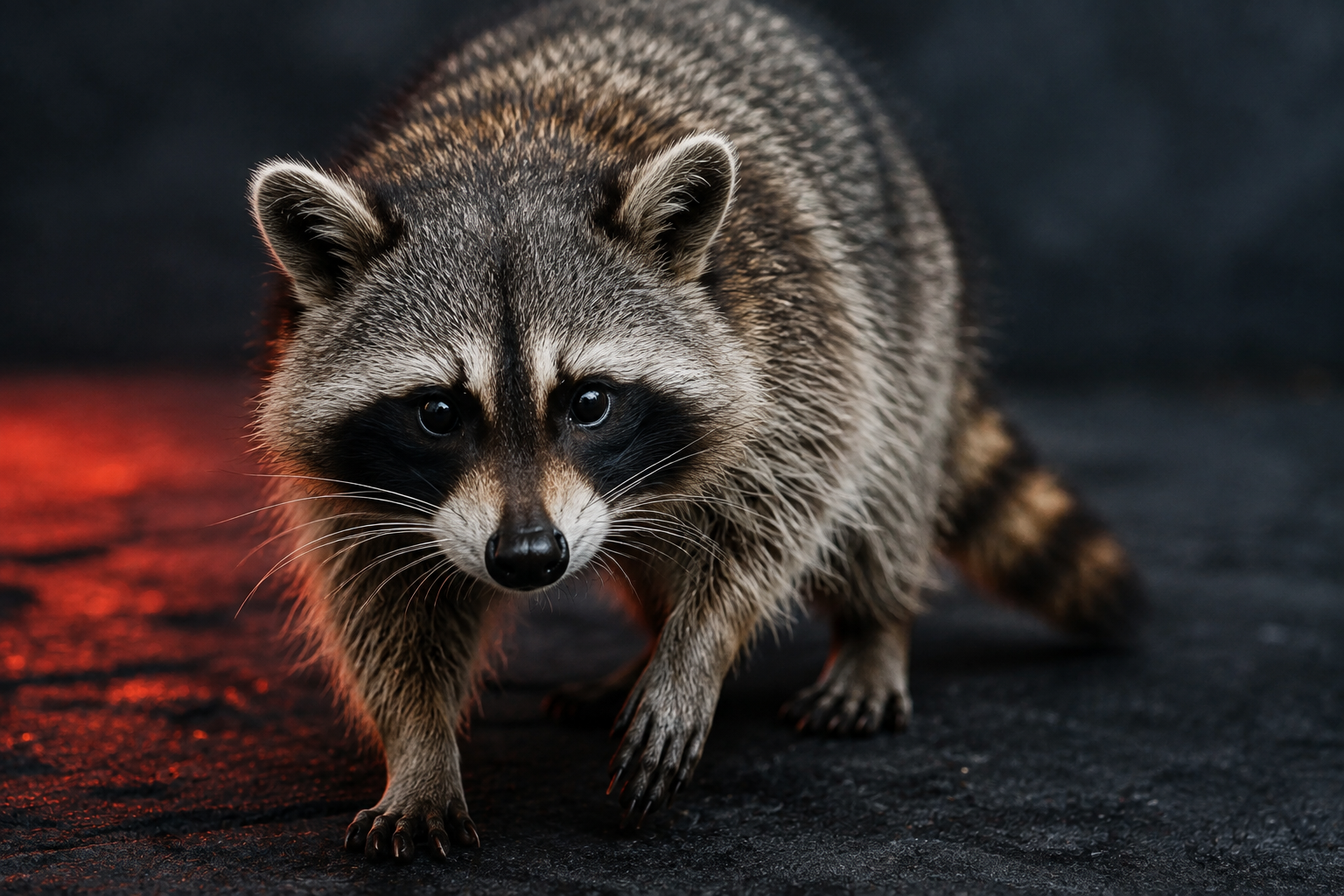
Call PestGuardians to discuss your pest concern and check local service availability.
See all services available in Prescott Valley · See Wildlife Removal details
Wildlife removal pricing depends on your location, the animal involved, access requirements, and any entry-point repairs needed. Call PestGuardians to discuss the work needed in Prescott Valley and request pricing for your situation.
It depends what you mean. Municipal animal control is often free but typically handles specific situations, like a stray or an animal posing an immediate danger, rather than general nuisance wildlife in a home. For an animal in an attic, discuss the inspection, removal, exclusion, and repair needs separately and ask about pricing and scheduling before booking. Worth asking your local animal control what they actually cover before assuming either way.
Generally, larger nuisance animals like opossums, raccoons, squirrels, and similar wildlife that have gotten into an attic, crawl space, or yard, as opposed to insects or typical mice and rats.
Larger, louder movement in the attic or walls, bigger droppings, and visible entry damage around the roofline or vents tend to point toward wildlife rather than insects or typical rodents. Describe the signs and where they occur when you call PestGuardians to discuss whether wildlife removal is the appropriate service.
Call to check service availability in your area. Free to call, with no obligation to book.